So you’ve finally decided to do something about your teeth, and now you’re stuck at the next hurdle: Invisalign or braces? It’s one of the most common questions we get asked at Dr MeiLuk by L&M Dental Clinic, and there isn’t a one-size-fits-all answer. Both get you to the same destination — a straighter, healthier smile — but the journey looks quite different depending on which route you take.
If you’ve been comparing invisalign treatment in PJ against teeth braces in PJ, this should help you weigh up what actually matters for your situation, rather than just going with whichever one your friend had.
Appearance: Do You Want People to Notice?
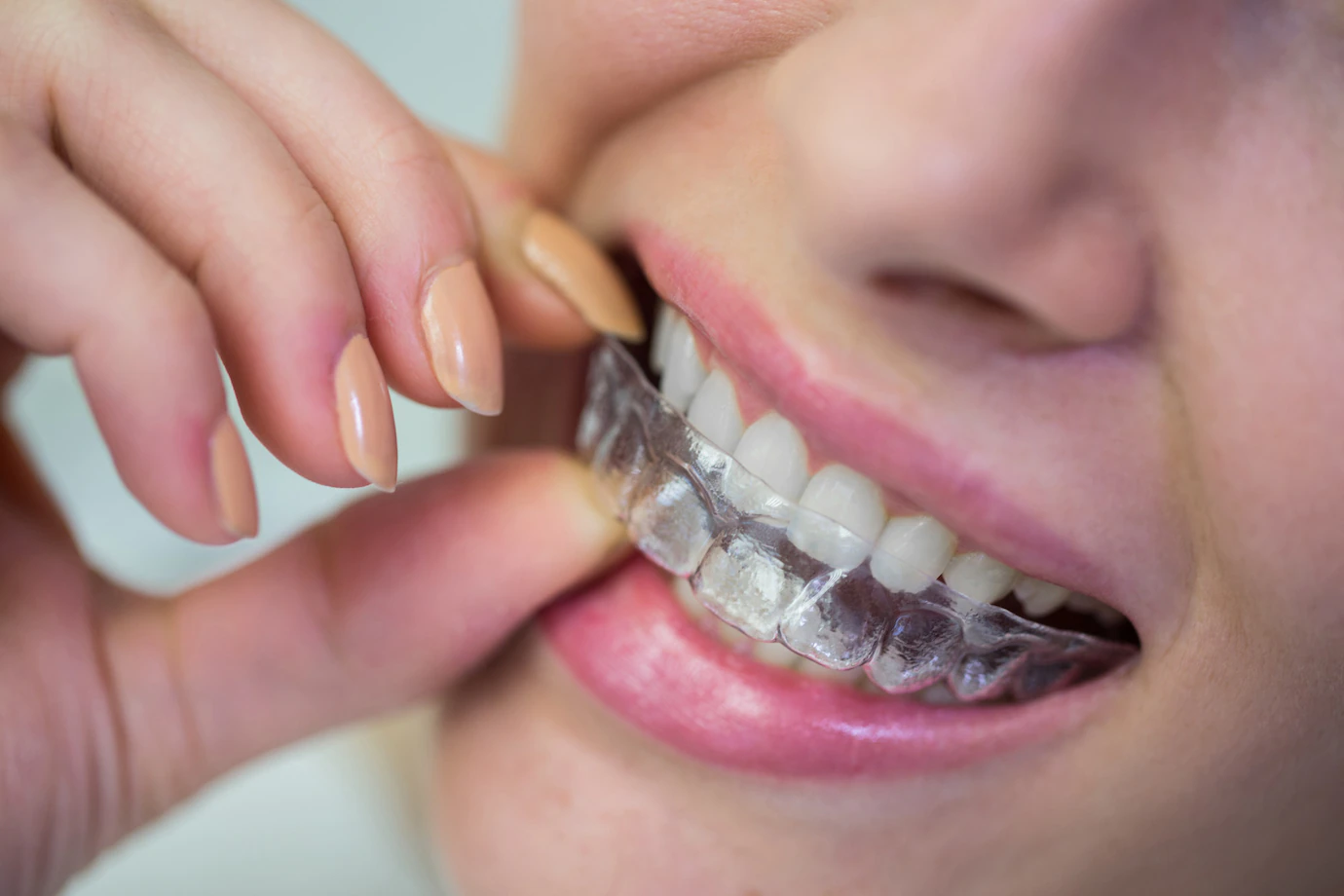
This is usually the first thing patients bring up, and it’s a fair concern. Invisalign uses clear, custom-made aligners that sit snugly over your teeth and are genuinely hard to spot unless someone’s looking closely. For adults self-conscious about a “metal mouth” look during work meetings or social events, this is often the deciding factor on its own.
Traditional braces, meanwhile, are visible — brackets and wires are bonded to the front of your teeth for the whole treatment. That said, braces have come a long way. Ceramic brackets or coloured bands let patients personalise the look, and plenty of people, especially younger patients, don’t mind the visibility at all.
Comfort: What Does Treatment Actually Feel Like?
Both treatments involve some adjustment period, but the day-to-day experience differs. Invisalign aligners are smooth plastic, so there’s no metal rubbing against your cheeks or lips — most patients feel mild pressure for a day or two after switching to a new aligner, and it settles quickly.
Braces can cause more irritation, particularly right after a tightening appointment, and brackets can rub against soft tissue until you’re used to them. Orthodontic wax helps, but it’s an extra step Invisalign users don’t need to think about.
Removability: A Genuine Lifestyle Difference
Here’s where the two treatments really part ways. Invisalign aligners come out — for meals, for brushing, for that big presentation you don’t want a lisp during. This flexibility is a huge draw for a lot of adults.
Braces are fixed. You eat with them, sleep with them, and live with them for the full duration of treatment. There’s no taking a “day off,” which some patients actually prefer, since there’s no decision-making involved and no risk of forgetting to put aligners back in.
Treatment Suitability: Not Every Case Is the Same
This is the part that gets overlooked in a lot of online comparisons. Invisalign works well for mild to moderate crowding, spacing issues, and certain bite corrections, but it isn’t ideal for every case. More complex movements — significant rotations, major bite discrepancies, or cases involving jaw alignment — often respond better to traditional braces, which can apply more precise and consistent force.
The honest answer is that neither option is universally “better.” What suits your case depends on your bite, the position of your teeth, and what your dentist sees on the X-rays — a conversation for a proper assessment, not a blog post.
Cleaning and Maintenance
Because Invisalign aligners are removable, brushing and flossing stay exactly as they were before treatment — take the aligners out, clean your teeth as usual, and pop them back in. The aligners themselves need a quick clean too, but it’s a low-maintenance routine.
Braces need more care. Brackets and wires create extra nooks where food particles and plaque like to hide, so patients need to be more deliberate about brushing technique, and interdental brushes or floss threaders become part of the daily routine.
Treatment Duration
People often assume Invisalign is automatically faster, but that’s not always true — duration comes down to case complexity rather than treatment type. Mild cases with Invisalign can sometimes wrap up in under a year, while more involved cases may take as long as traditional braces.
Braces treatment typically runs 18 months to around two years for moderate to complex cases, though simpler corrections finish sooner. Your dentist will give a realistic estimate once they’ve assessed your teeth properly.
Lifestyle Considerations
Think about your daily routine. If you play contact sports, work in a client-facing role, or travel often for meals and social events, Invisalign’s flexibility might fit more comfortably into your life. If you’d rather not think about wearing aligners for the recommended 20 to 22 hours a day, braces might suit you better.
There’s no wrong choice here — it’s about matching the treatment to how you actually live, not how you think you should live during treatment.
Patient Compliance: The Deciding Factor Nobody Talks About
This one matters more than people expect. Invisalign’s success depends heavily on you — the aligners only work if worn consistently, close to all day, every day. Patients who take them out too often can see treatment stretch on far longer than planned.
Braces remove that variable entirely. Since they’re fixed to your teeth, there’s no compliance required beyond showing up to appointments and keeping them clean. For patients who know they’d struggle with the discipline Invisalign demands, braces can be the more reliable path to a finished result.
Follow-Up Appointments
Invisalign generally means fewer in-clinic visits, since aligner changes happen at home according to your dentist’s plan, with periodic check-ins to monitor progress. Braces require more frequent visits — usually every four to six weeks — for adjustments and monitoring.
So, Which One Should You Choose?
Honestly, this is the kind of decision best made in the dental chair, not online. A proper assessment — including X-rays and a look at your bite — will tell you far more than any comparison article can. Both options, done properly, get patients to the same result: straighter teeth and a healthier bite.
If you’re in Petaling Jaya, Ara Damansara, or Putra Heights and trying to decide between the two, book a consultation with Dr MeiLuk by L&M Dental Clinic. With branches across all three locations, you can pick whichever is most convenient and we’ll walk you through what your teeth actually need, not just what sounds appealing on paper.
Frequently Asked Questions
Is Invisalign more expensive than braces?
Usually a bit, due to the customised aligner technology, though complex cases can cost similarly either way. A personalised quote after assessment is the only reliable way to know.
Can adults get braces, or is Invisalign the only option for grown-ups?
Plenty of adults get traditional braces — age alone doesn’t rule it out. The choice comes down to case complexity and personal preference.
Will either treatment hurt?
Some discomfort is normal with both, especially in the first few days of a new aligner or right after a braces adjustment. It’s generally manageable and settles quickly.
Can I switch from braces to Invisalign partway through treatment?
In some cases, yes, depending on how far along treatment is and what your teeth still need. Your dentist would need to assess this directly.
How do I know which treatment is right for my case?
Only a proper dental assessment, including X-rays and a look at your bite, can tell you that. Book a consultation and your dentist will walk you through what actually applies to your teeth.
Do I need to wear a retainer after either treatment?
Yes — retainers are recommended after both Invisalign and braces to keep teeth from shifting back. Your dentist will advise on the type and how often to wear it.